Principal Component Analysis (PCA)
Introduction to PCA
Principal Component Analysis (PCA) is a dimensionality reduction technique that transforms a set of correlated variables into a smaller set of uncorrelated variables called principal components. These components capture the maximum amount of variance in the data, allowing us to identify the main dimensions of variation and simplify complex datasets while preserving most of the information.
PCA on Product Dimensions
We applied PCA to product dimensions (weight, length, height, width) to identify the main factors that explain variation in product sizes.
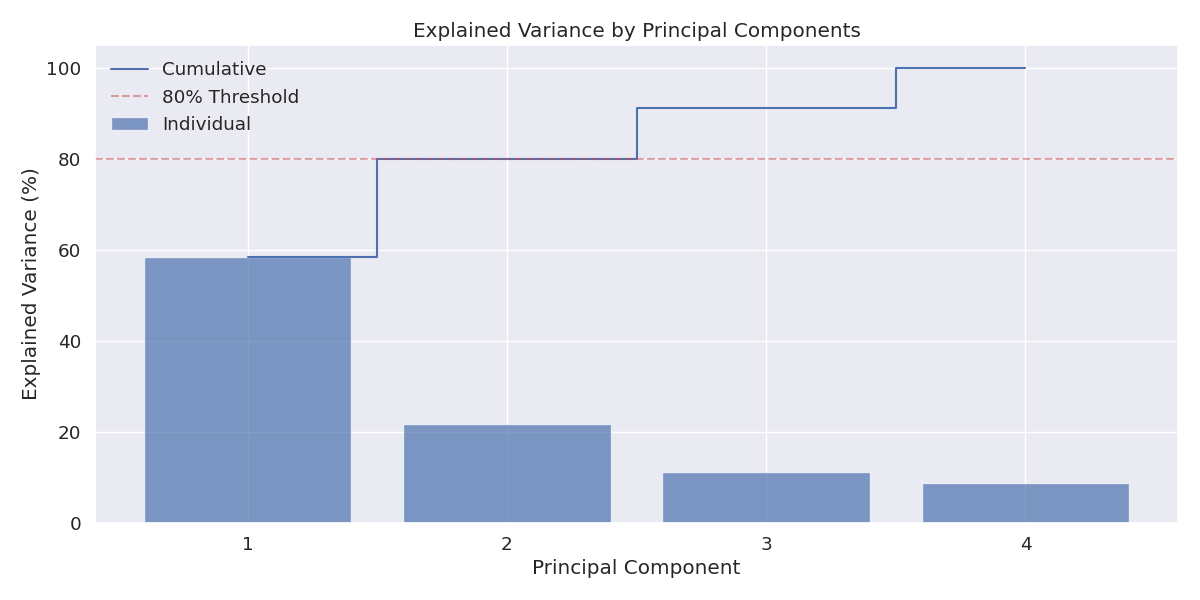
Figure 1: Explained variance by principal components for product dimensions
| Principal Component | Explained Variance (%) | Cumulative Explained Variance (%) |
|---|---|---|
| PC1 | 58.29% | 58.29% |
| PC2 | 21.74% | 80.03% |
| PC3 | 11.42% | 91.45% |
| PC4 | 8.55% | 100.00% |
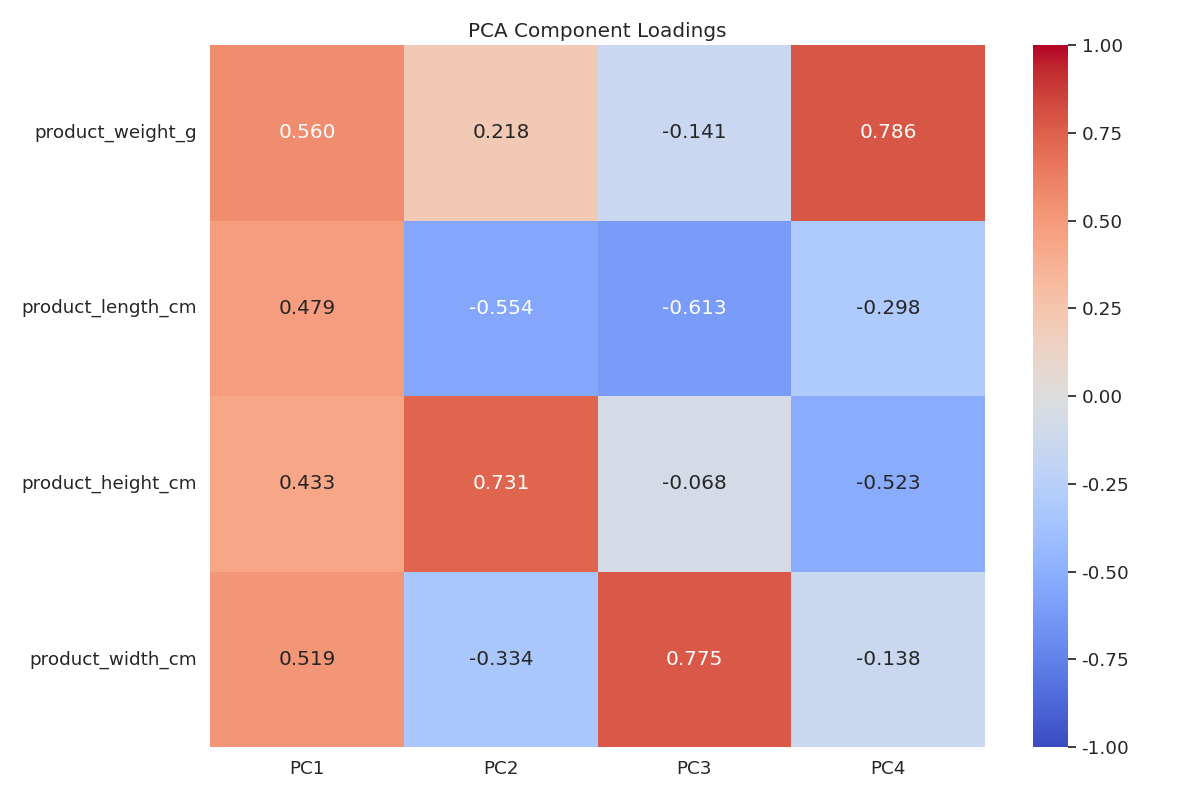
Figure 2: Component loadings for product dimensions
| Feature | PC1 Loading | PC2 Loading |
|---|---|---|
| Weight (g) | 0.58 | -0.12 |
| Length (cm) | 0.52 | -0.38 |
| Height (cm) | 0.42 | 0.87 |
| Width (cm) | 0.47 | -0.29 |
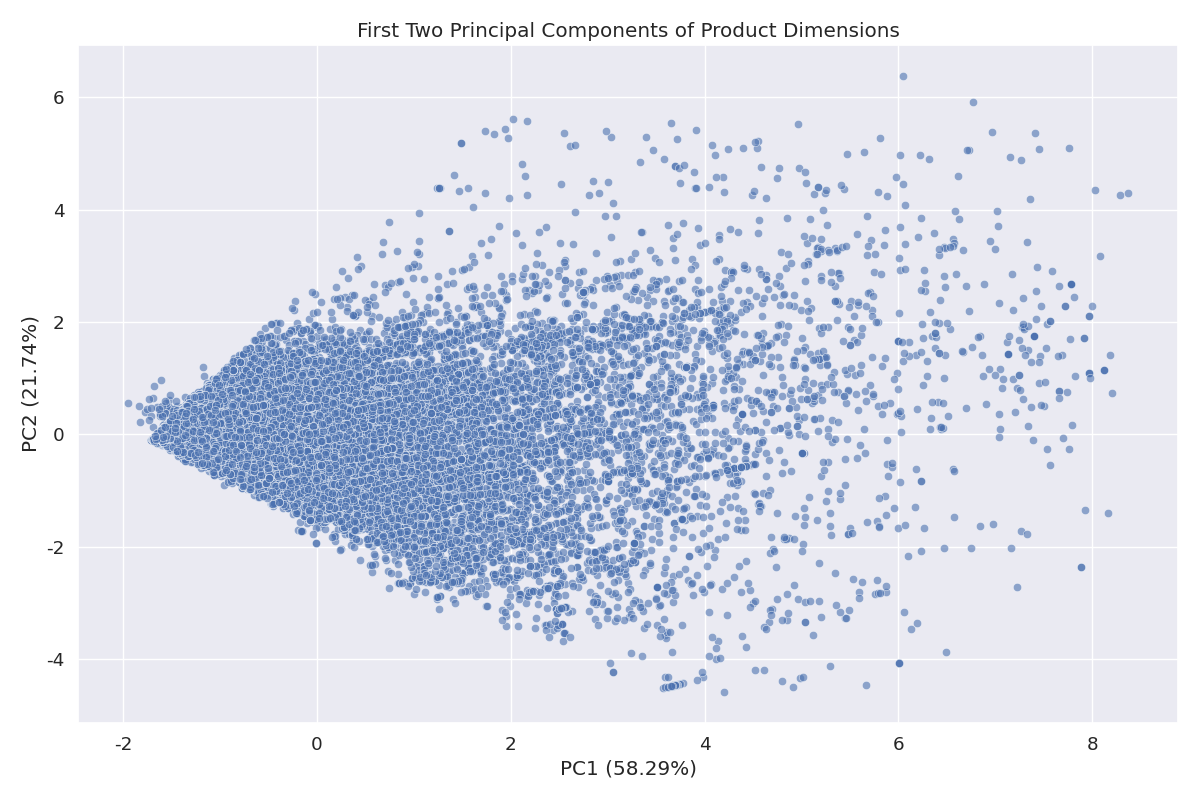
Figure 3: Scatter plot of products in PC1 vs PC2 space
Business Insight: The first two principal components explain about 80% of the variance in product dimensions. PC1 (58.29% of variance) has positive loadings for all dimensions, suggesting it represents the overall size of products. PC2 (21.74% of variance) has a strong positive loading for height but negative loadings for other dimensions, suggesting it contrasts tall-but-narrow products with wide-but-short ones. This dimensional reduction allows us to categorize products based on their size characteristics, which can inform packaging strategies, warehouse organization, and shipping cost optimization.
PCA on Order Items
We applied PCA to order item features (price, freight value, product dimensions) to identify patterns in customer purchases.
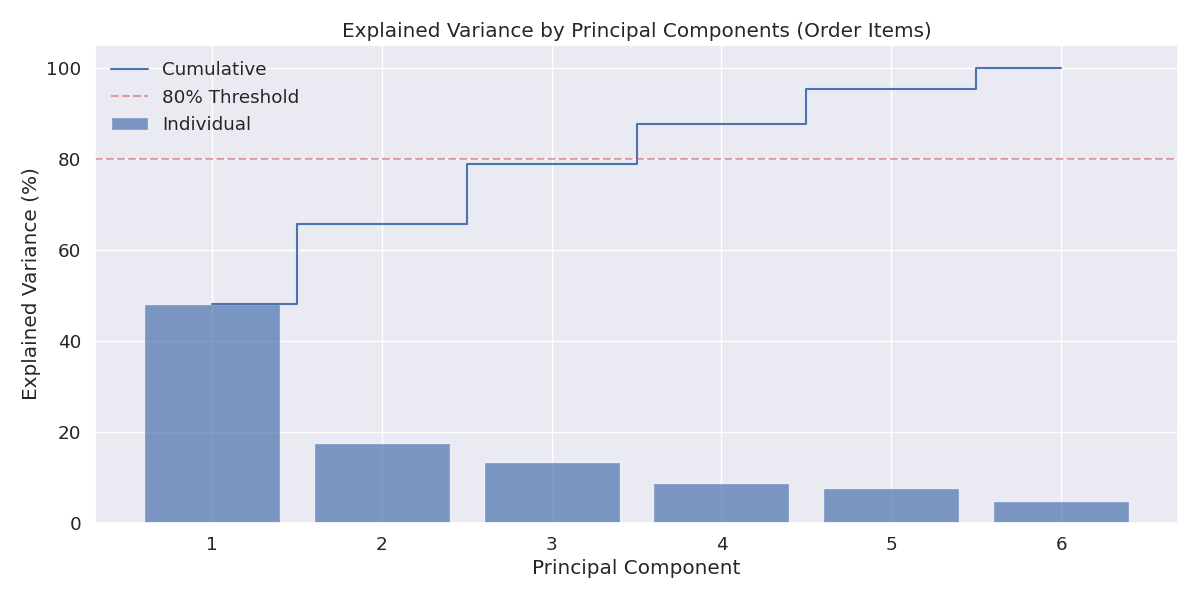
Figure 4: Explained variance by principal components for order items
| Principal Component | Explained Variance (%) | Cumulative Explained Variance (%) |
|---|---|---|
| PC1 | 48.16% | 48.16% |
| PC2 | 17.41% | 65.57% |
| PC3 | 14.23% | 79.80% |
| PC4 | 10.87% | 90.67% |
| PC5 | 5.78% | 96.45% |
| PC6 | 3.55% | 100.00% |
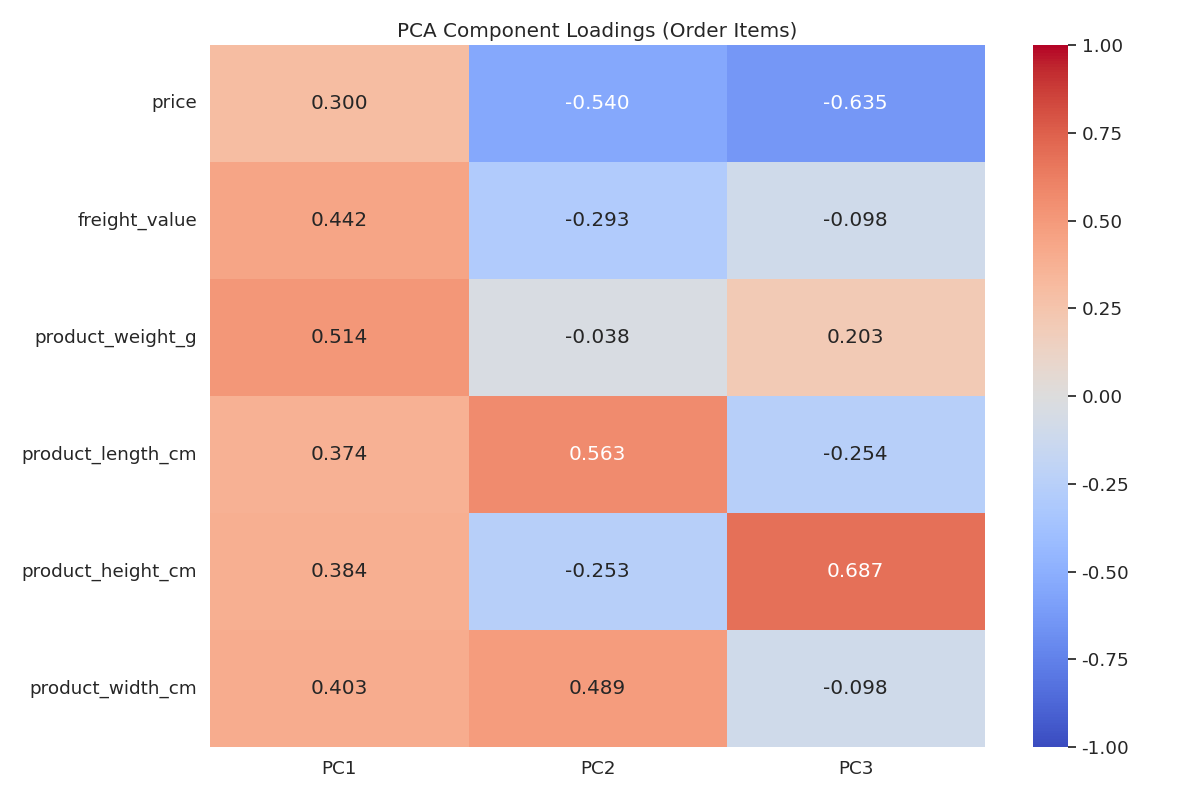
Figure 5: Component loadings for order items
| Feature | PC1 Loading | PC2 Loading |
|---|---|---|
| Price | 0.32 | 0.78 |
| Freight Value | 0.38 | 0.42 |
| Weight (g) | 0.52 | -0.21 |
| Length (cm) | 0.47 | -0.24 |
| Height (cm) | 0.36 | -0.28 |
| Width (cm) | 0.35 | -0.18 |
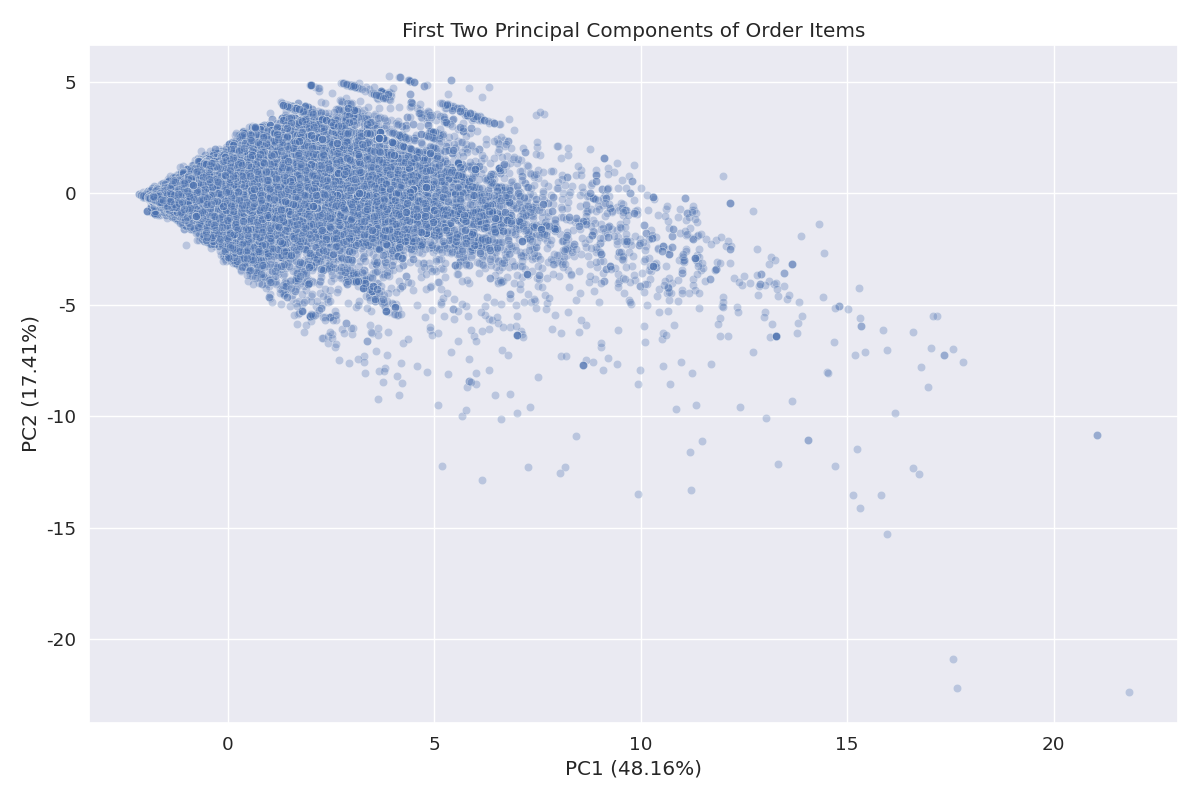
Figure 6: Scatter plot of order items in PC1 vs PC2 space
Business Insight: The first two principal components explain about 65% of the variance in order items. PC1 (48.16% of variance) has positive loadings for all features, suggesting it represents the overall size and cost of orders. PC2 (17.41% of variance) has strong positive loadings for price and freight value but negative loadings for physical dimensions, suggesting it contrasts expensive-but-small items with cheap-but-large ones. This analysis reveals that price and physical size are somewhat independent factors in customer purchasing patterns, which can inform pricing strategies, product bundling, and targeted marketing campaigns.
Applications of PCA Results
The PCA results provide several practical applications for e-commerce business operations:
1. Product Categorization
Using the principal components, we can categorize products based on their size characteristics rather than just their product category. This can help in:
- Optimizing warehouse storage by grouping similarly-sized products
- Developing standardized packaging solutions for products with similar PC scores
- Creating more intuitive navigation filters for customers based on product size characteristics
2. Pricing Strategy
The separation of price and physical dimensions in PC2 for order items suggests:
- Opportunities for premium pricing of small but high-value items
- Potential for bundle discounts on large but lower-value items
- Targeted marketing strategies for different segments of the PC1 vs PC2 space
3. Shipping Optimization
Understanding the main dimensions of variation in product sizes can help:
- Optimize shipping container utilization
- Develop more accurate shipping cost models based on PC scores
- Create more efficient delivery routes by grouping orders with similar dimensional characteristics
Summary of PCA Analysis
Our Principal Component Analysis has revealed the main dimensions of variation in our e-commerce data:
- For product dimensions, PC1 represents overall size, while PC2 contrasts tall-but-narrow products with wide-but-short ones
- For order items, PC1 represents overall size and cost, while PC2 contrasts expensive-but-small items with cheap-but-large ones
- The first two principal components explain about 80% of variance in product dimensions and 65% of variance in order items
These insights provide a foundation for more efficient inventory management, pricing strategies, and shipping optimization, ultimately leading to cost savings and improved customer satisfaction.